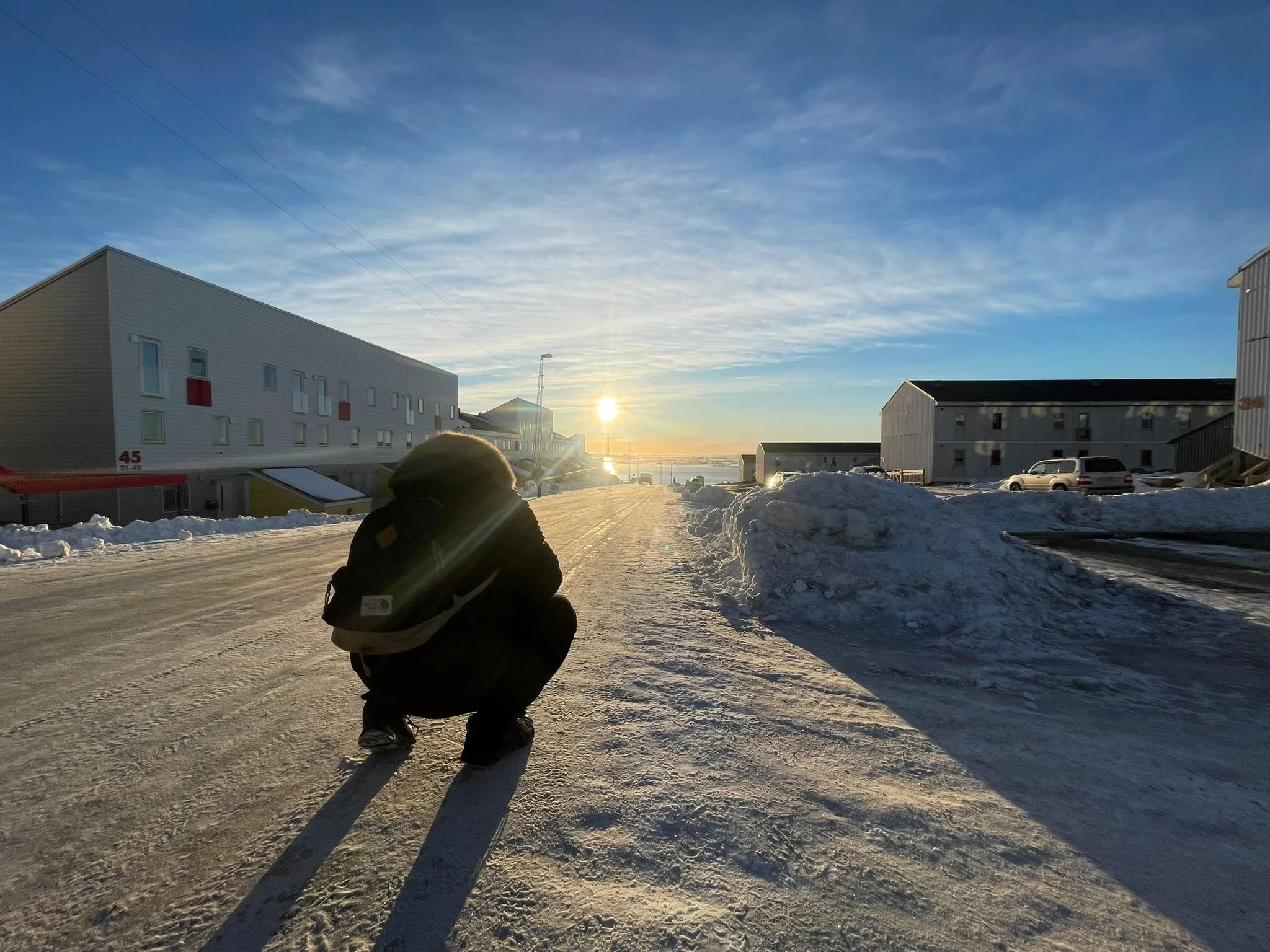
Greenland, Sovereignty and the Uncertainty That Comes With Security
What happens after the world moves on - and what’s left behind for the people who live with the consequences.
Most people have left Greenland. We’re still here. We wanted to find out what happens after the world moves on, and what’s been left behind for the people here - after weeks of speculation they were about to be “acquired” by the United States.
Let’s recap what’s happened and where things currently stand.
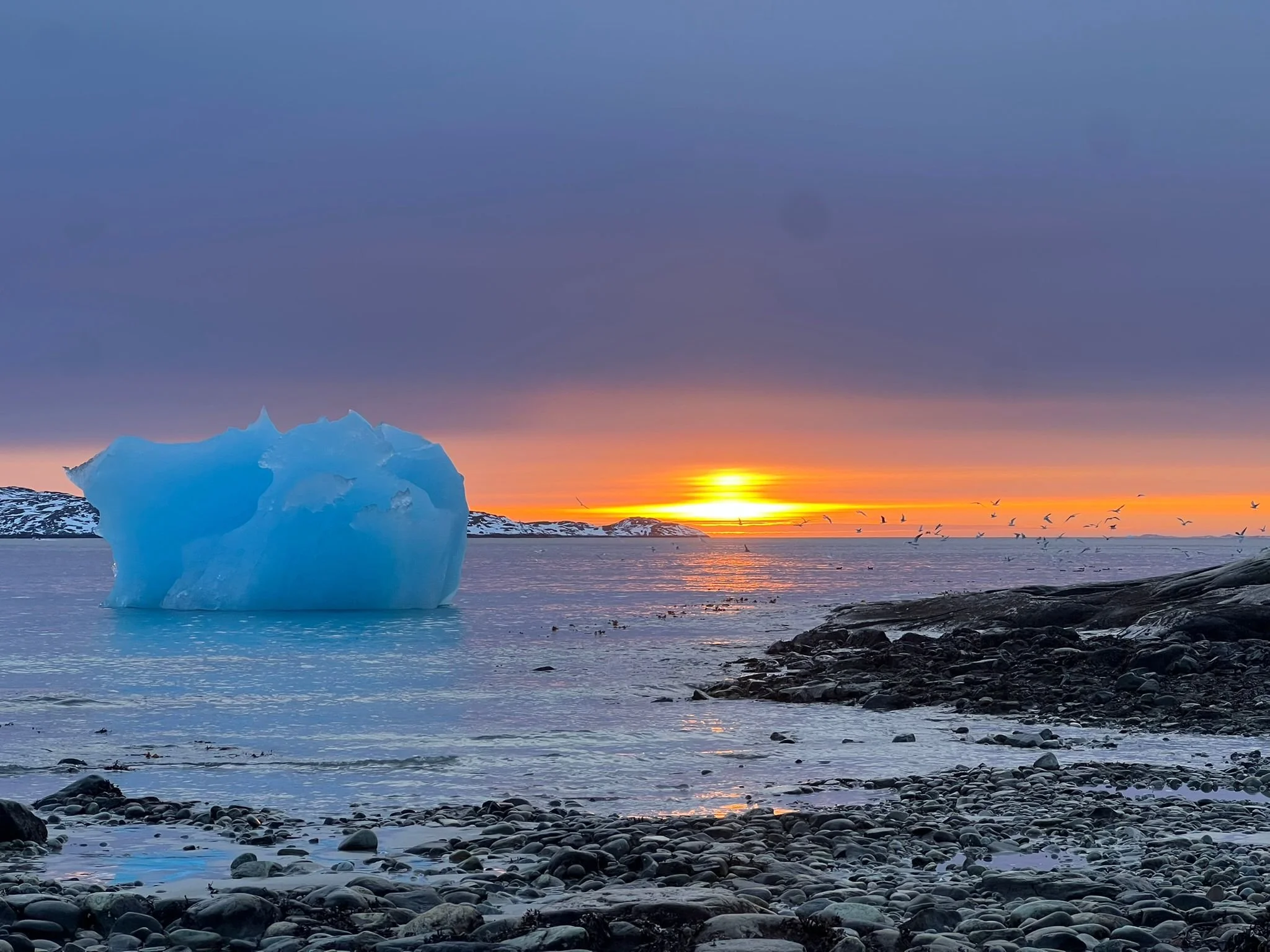
Greenland was thrust into the global spotlight when Donald Trump revived his demand that Washington “acquire” the island. His rationales were national security and strategic interests in the Arctic. At one point, he and others in his administration were asked about whether they’d use force to acquire it. They pointedly refused to rule that out, and tariffs were then threatened on European countries, some of whom sent small numbers of troops to Greenland, including France, the UK and Germany.
Trump seemed to climb down from those threats at Davos.
But while the immediate tension has eased, the episode has left deeper questions here about security, sovereignty and who ultimately gets to decide Greenland’s future.
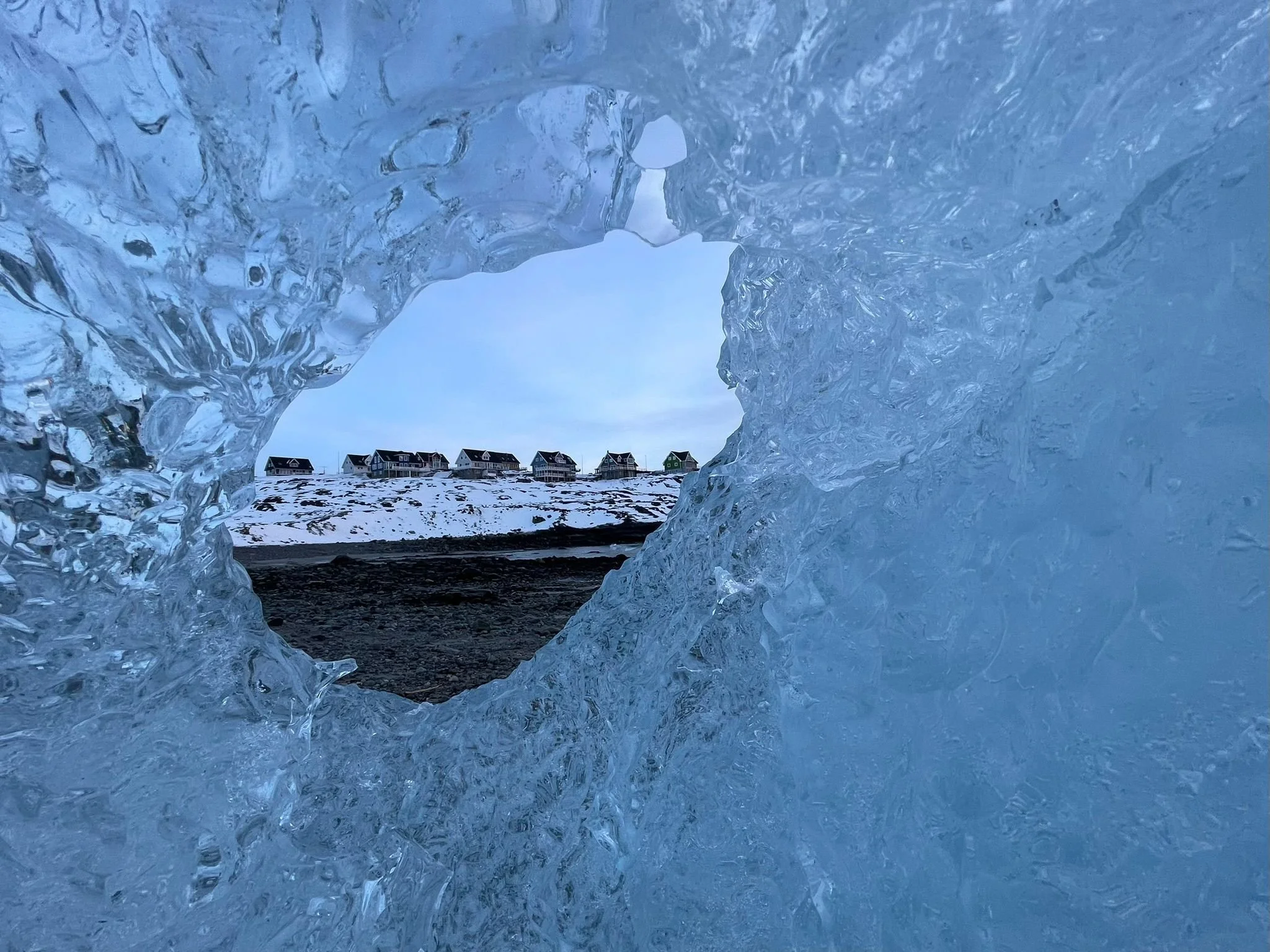
A tenet of Inuit culture is around the land, which is treated more like a person here and less like a resource. People talk about living harmoniously with it, taking what they need and sharing it. Legally you can’t own land, you can only own the houses that are built on it. So when the US talks about “acquiring Greenland” through purchase or by other means, it’s culturally incoherent. How can someone else “own” Greenland when Greenlanders themselves don’t own it?
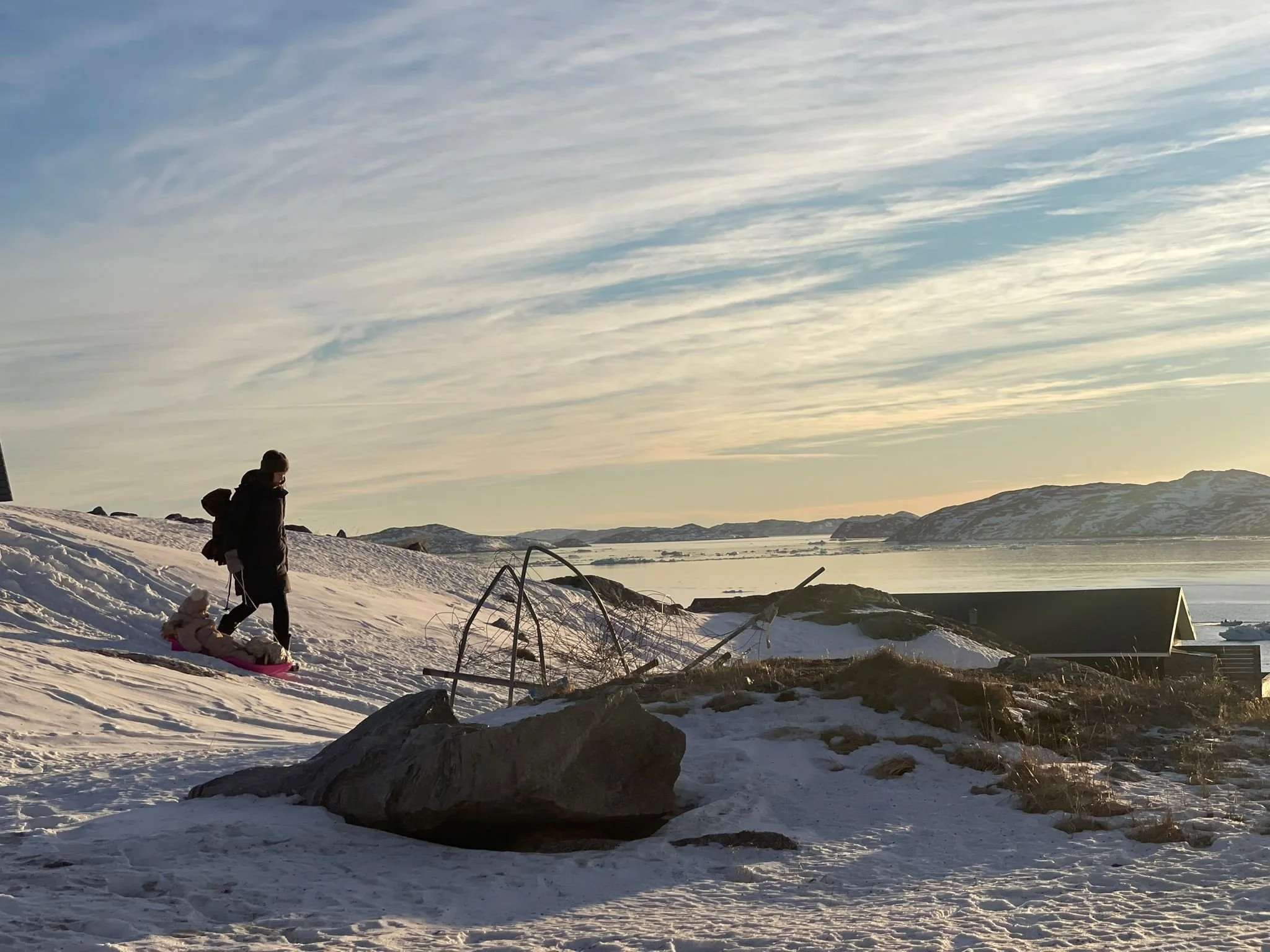
This hasn’t just been an abstract idea for people here - it’s real. Greenlanders have talked to us openly about how scared some are, especially children. One mother a couple of days ago said people had shown up to work crying and kids were afraid to go to sleep - her own son asked her repeatedly “are the Americans coming?” She didn’t know what to say to him.
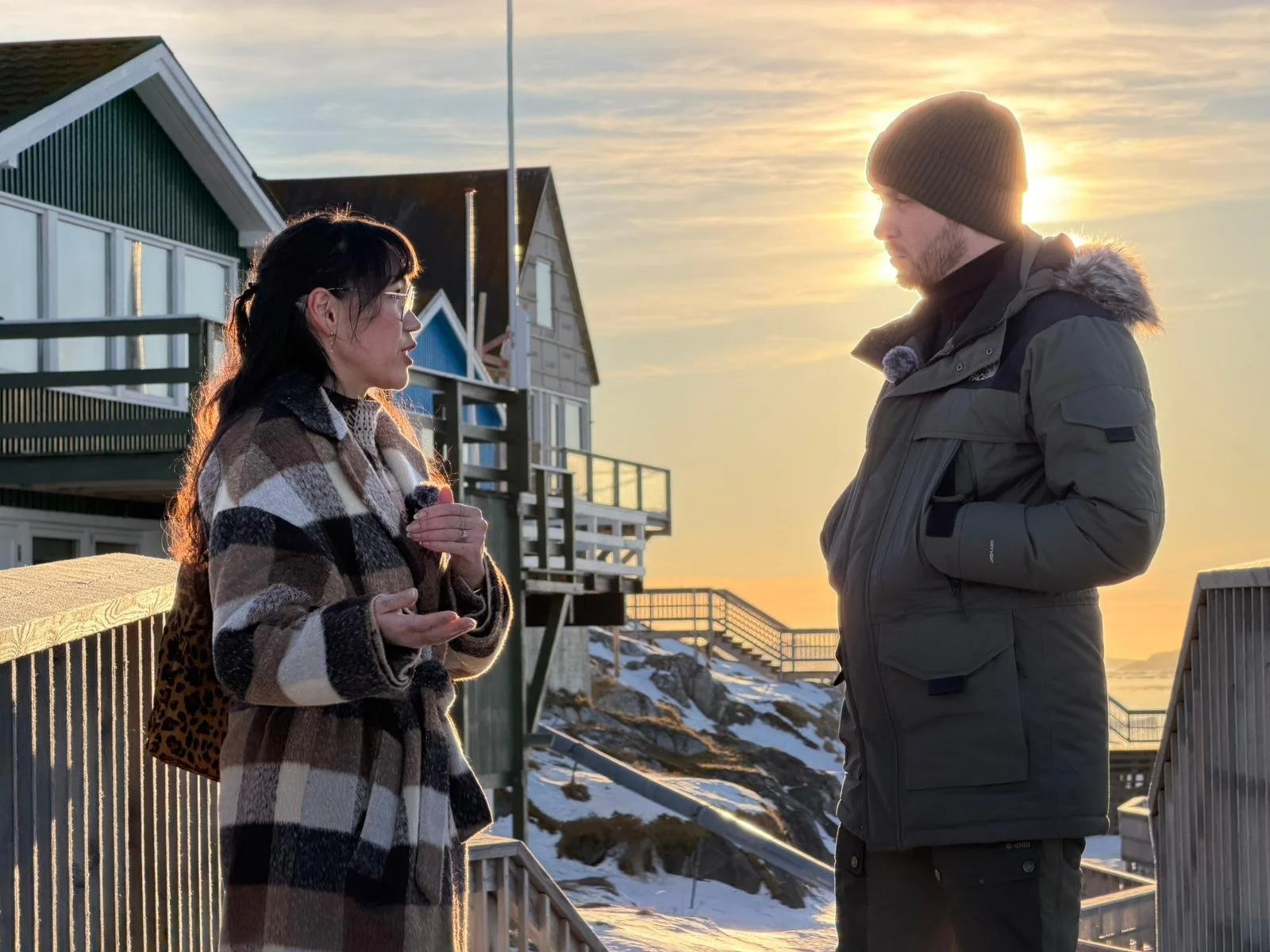
Greenland already has an incredibly complicated relationship with Denmark, which it’s a part of. Forced birth control on Inuit women, families being separated, settlements forcibly evacuated and social safety nets - these are all real things that have happened here over the last 50 or so years, and things that make many here want to be independent. Self-determination - which Denmark, Europe and Donald Trump have all said is what Greenland should be entitled to - no longer feels like a choice though, and people that had supported independence are now unsure about whether that will protect them in the future, even if it is what they want.
There’s also some that think this episode may have strengthened Greenland’s relationship with Denmark for the better - belief that Denmark may now pay more attention, and possibly more support, to the island. That remains to be seen, even if the Danish Prime Minister coming here a week ago was a clear message.
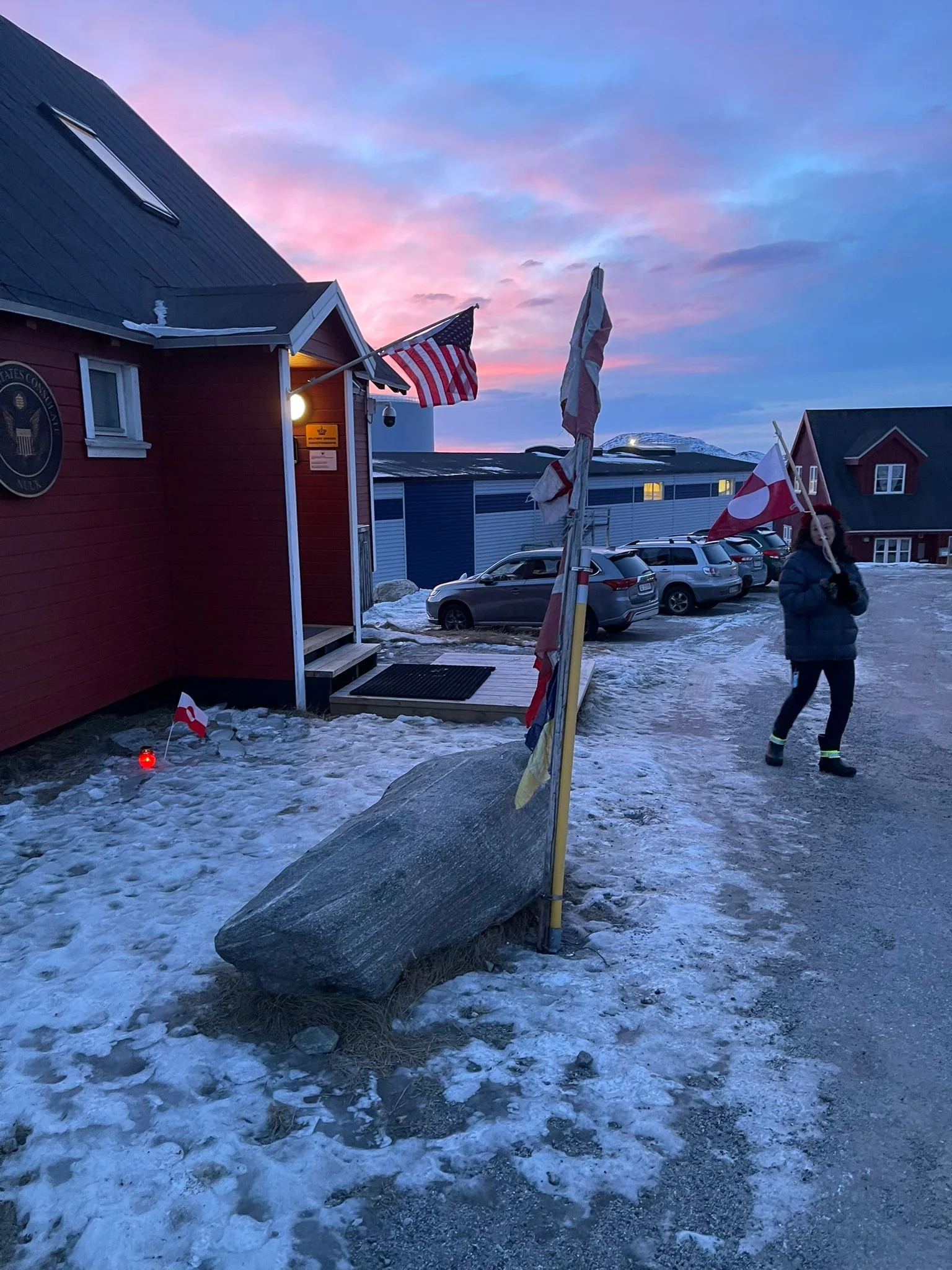
Greenlanders are still proud of their nation. They smiled when talking about the numbers that turned out to protest in Nuuk on January 15th - which some continue to do. We spent a couple of mornings with Aviaq Brandt who is still going to the US Consulate every morning carrying Greenland’s flag and playing Greenlandic music (in some cases Greenlandic reggae and rap, not just traditional Inuit songs). She, and others, just want to be left alone now.
The thing is, this issue isn’t going to go away - at least, not as things stand right now.
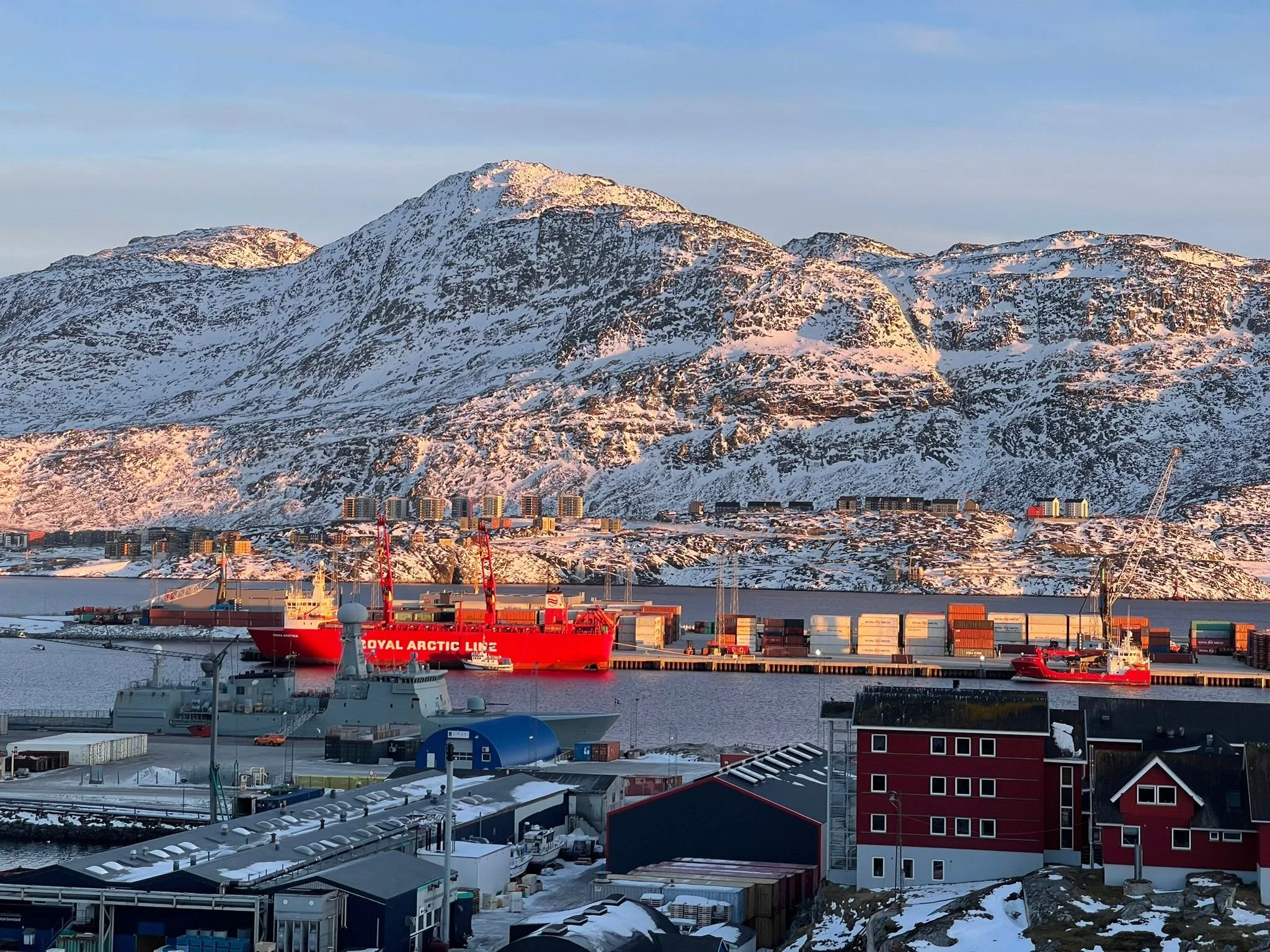
If this is about security, NATO says it is already stepping up its presence across the Arctic. Danish warships have been ever present in Nuuk harbour over the last week, and after Danish military exercises earlier this month, we’ve seen more ministerial visits from Copenhagen and Nuuk to Danish soldiers posted outside Buksefjord power plant on Saturday.
We don’t really know if defence is the whole story. Climate change is talked about as fact here and the weather has worried the whole town. In January temperatures should be -20 or lower, but in recent days we’ve had a number of days when it’s been above 0. That’s melting glaciers, and will continue to do so, making the Arctic more accessible for shipping routes, and mineral wealth easier to mine too.
The bigger issue isn’t about Greenland - it’s that it isn’t the only place in the world that’s experienced something like this.
But like Greenland, those places - and the people that live in them - are now more uncertain about the future. We all are.
What are the rules now? What is the system? Who decides, and who gets a say - especially when decisions are made far away, about places people call home?
If security is about “how do we feel safe?”, then security is no longer the issue.
Because the questions that have emerged here are now about what security actually means - and who it is meant to protect?